

The world of artificial intelligence is undergoing a seismic shift, driven by the rapid evolution of multimodal generative AI. In 2025, models that understand and generate visual, video, and voice content are redefining how businesses, creators, and consumers interact with technology. If you want your DrTechZen blog to capture the latest trends and future-proof your content, exploring multimodal generative AI is essential.
What Is Multimodal Generative AI?
Multimodal generative AI refers to artificial intelligence systems capable of processing and producing content across multiple formats—such as images, videos, audio, and text—simultaneously. Unlike traditional models that focus on a single modality, these advanced systems offer a holistic approach to content creation and understanding.
For example, a multimodal AI can analyze a video, extract spoken words, generate captions, and even answer questions about visual elements—all fused into a seamless, intelligent workflow.
Why Is Multimodal Generative AI Important in 2025?
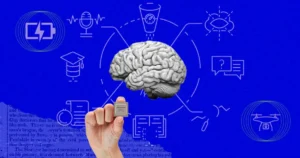
The demand for engaging multimedia content is higher than ever. Businesses want smart marketing assets, creators desire streamlined production, and audiences expect interactive experiences. Multimodal generative AI delivers on all fronts:
-
Efficiency: Automate content creation across formats, saving time and resources.
-
Accessibility: Generate audio and video descriptions, improving inclusion for all users.
-
Creativity: Empower creators with AI-driven visual stories, music, and interactive video.
-
Scalability: Brands can personalize content for global audiences, integrating voice translation, visual adaptation, and more.
Leading Applications and Use Cases

-
Content Creation Platforms:
AI tools now generate entire marketing campaigns—writing scripts, designing visuals, and producing audio overlays—in minutes. -
Social Media:
Automated video editing, intelligent photo filters, and AI-generated voiceovers redefine how users produce and share content. -
Healthcare and Education:
AI systems can convert medical images to spoken analysis or create interactive learning experiences by blending text, diagrams, and video explainers. -
Ecommerce and Retail:
Virtual shopping assistants combine product images with spoken descriptions and real-time video demonstrations for better customer engagement.
Breakthrough Multimodal AI Models in 2025
Leading innovators like OpenAI, Google DeepMind, and Meta have released multimodal AI models that power generative image tools, video creation engines, and voice synthesis apps. Popular platforms enable users to submit prompts—such as “Create a video ad for a new smartwatch featuring an upbeat narration”—and receive complete multimedia assets driven by AI.
Open-source platforms are making multimodal architecture accessible to startups and developers, sparking a wave of creative apps in the tech ecosystem.
Voice, Video, and Visual Intelligence: Key Trends

-
Voice Intelligence:
AI voice assistants now recognize emotion, language nuances, and context, making conversations more natural and effective. -
Video Generation:
Multimodal AI can produce realistic short films, educational tutorials, and marketing clips entirely from textual prompts or storyboard sketches. -
Visual Intelligence:
Real-time image analysis and generative art tools support everything from fingerprint recognition to custom graphic design for brands.
SEO and Future Potential
By centering your DrTechZen blog post around the keyword “Multimodal generative AI”, you’ll tap into a fast-growing area that attracts business leaders, developers, and creatives. This topic is set to trend in search as organizations seek smarter, cross-modal solutions for their content needs.
Challenges and Considerations
Despite its promise, multimodal generative AI requires careful attention to ethical use, copyright, and bias. Content creators and brands need to ensure that AI-generated materials are transparent and trustworthy.
Conclusion: The Dawn of Truly Intelligent Content
As multimodal generative AI matures, the boundaries between text, image, audio, and video blur—enabling seamless, intelligent interaction and creation at scale. Whether you’re building apps, launching a brand, or just exploring the latest trends, adopting multimodal technologies means staying ahead in 2025’s dynamic digital landscape.