

In 2025, Agentic AI represents one of the most exciting frontiers in artificial intelligence, with autonomous agents reshaping how apps and services function for businesses and users alike. If you’re a tech enthusiast or entrepreneur exploring the latest digital trends, understanding Agentic AI and its real-world impact will give you an edge.
What Is Agentic AI?

Agentic AI refers to artificial intelligence systems designed as autonomous “agents” capable of reasoning, decision-making, and self-initiated actions. Unlike traditional rule-based bots or simple machine learning models, agentic AI agents assess goals, adapt to changing conditions, and perform complex tasks without step-by-step human input.
These agents handle everything from customer support chats and workflow automation to personalized recommendations and proactive problem-solving. What sets them apart is their ability to learn from context, collaborate with other agents, and act independently within apps and digital platforms.
How Do Autonomous Agents Work?

Autonomous agents combine advanced reasoning algorithms, generative AI models, and large knowledge bases. They operate across apps and services by:
-
Understanding user intent and context from conversations, behaviors, or environmental cues.
-
Planning multiple steps ahead to achieve specific objectives (e.g., booking travel, troubleshooting technical issues).
-
Communicating with other agents or APIs to gather information, process requests, or trigger real-world actions.
For example, an agentic AI in a banking app could monitor your financial habits, predict upcoming bills, and automatically transfer money to ensure your accounts stay balanced—all without needing you to prompt every step.
Key Advantages of Agentic AI in Apps and Services
-
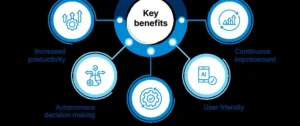
Personalized Automation:
Agentic AI adapts to each user’s preferences and history for highly tailored automation. Scheduling, reminders, and content suggestions become genuinely relevant. -
Reduced Human Intervention:
Apps powered by autonomous agents handle repetitive tasks and respond to queries accurately, freeing up humans for higher-value work. -
Continuous Learning:
Agentic agents improve over time, learning from user feedback and outcomes to deliver smarter assistance and better service quality. -
Collaborative Intelligence:
Multiple agents can coordinate—across apps or within ecosystems—creating seamless cross-platform experiences (like syncing your smart home, calendar, and shopping preferences).
Popular Use Cases in 2025
-
Customer Support: Automated agents resolve support tickets, answer FAQs, and escalate issues using conversation memory and context.
-
Productivity Tools: AI-powered planners prioritize tasks, schedule meetings, and optimize work routines without micromanagement.
-
Health and Wellness Apps: Autonomous agents monitor habits, suggest interventions, and even book medical appointments or nutrition guidance.
-
Smart Homes: Agents integrate devices and services, letting users automate routines via reasoning and customization.
What’s New in Agentic AI?

Recent breakthroughs include multimodal intelligence (understanding text, voice, image, and video), more robust collaborative workflows, and a surge in open-source agentic AI platforms—making advanced automation accessible to smaller businesses and individual users.
Industry leaders are deploying agentic AI in everything from ecommerce apps (personalized shopping, order tracking) to B2B SaaS platforms, stretching the boundaries of what digital assistants can achieve.
Challenges and Considerations

Despite its many benefits, deploying agentic AI requires careful attention to privacy, security, and transparency. Developers and brands must audit autonomous behaviors, provide clear user controls, and safeguard sensitive data.
Conclusion: Agentic AI Shapes the Future of Digital Services
Agentic AI and autonomous agents are transforming apps and digital services into proactive, intelligent tools that anticipate needs and streamline everyday tasks. As 2025 advances, expect these systems to become standard in leading consumer and business apps—driving productivity, convenience, and user satisfaction to new heights.