
The Dark Side of ChatGPT: What You Need to Know
When ChatGPT arrived on November 30, 2022, it felt like something out of a science fiction story. Suddenly, we had an AI tool that could write code, compose poetry, answer complex questions, and help brainstorm new ideas, all in seconds. Built on a model called GPT (Generative Pre-trained Transformer), it marked one of the most significant steps forward in artificial intelligence we’ve seen so far.
Some people welcomed it as the start of a new digital revolution. They believed it could challenge Google’s dominance as a search engine. Others were more cautious. Behind the impressive features and fast responses lies a more complex and sometimes troubling reality.
So, What Is ChatGPT Exactly ?
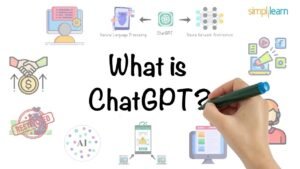
Developed by OpenAI, a company co-founded by Elon Musk and Sam Altman, ChatGPT is an AI-powered chatbot designed to perform any text-based task. This includes writing emails, creating code, composing lyrics, essays, and more. It uses deep learning and large data sets to simulate human-like conversation. And it can do this quickly and accurately, often outpacing what a human can do.
There’s also a Pro version that provides users with priority access and faster response times, especially during peak usage.
The Rise of AI Culture
As Ethan Mollick, a professor at Wharton, stated, “We’re officially living in an AI world.” That feels true. Just two months after its release, ChatGPT had taken the internet by storm. Tech leaders like Bill Gates and Elon Musk praised it. Microsoft, which had already invested in OpenAI in 2019 and 2021, promised a new, multi-year, multi-billion-dollar commitment to strengthen its partnership.
Even Indian business tycoon Gautam Adani admitted to feeling somewhat addicted to the chatbot, describing it as a “transformational moment in the democratization of AI.” This phrase perfectly captures the power of what’s happening.
But Is It Too Smart?
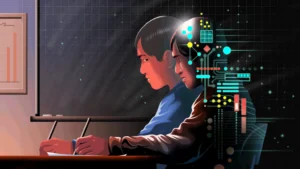
ChatGPT hasn’t just wowed the tech community; it has also passed some of the toughest exams out there. The chatbot cleared the U.S. Medical Licensing Exam (USMLE), and not just barely. According to the medical journal medRxiv, it performed at or near the passing level without any extra training or specific adjustments.
It also passed an MBA-level operations management exam from the University of Pennsylvania. Professor Christian Terwiesch reported that it scored anywhere from a B- to an A+, depending on the test. He even mentioned that he might use it as a partner to help generate future exam questions.
But Not Everyone’s Cheering
Here’s where the concerns start.
Many educators and institutions have begun banning or limiting access to ChatGPT. They worry that students might use it to cheat, avoid learning, or automate assignments. This is a legitimate concern, especially as the chatbot continues to advance and becomes harder to detect.
There’s also an ethical dilemma: What happens when AI starts making decisions or creating content that feels too real? What becomes of jobs, creativity, and critical thinking in a world where a machine can do it all for you?
The Bottom Line

ChatGPT is both amazing and puzzling. It opens up incredible opportunities by making information more accessible, speeding up work, and transforming education. But like any powerful tool, it also comes with responsibilities and risks.
As we move further into this AI-driven future, we need to ask important questions, set clear limits, and remain aware of both the positive and negative sides of innovation.
What do you think? Is ChatGPT a revolutionary tool or a risky shortcut? Share your thoughts in the comments below.